
Advertisement
Interior design is about creating spaces that feel intentional. Yet most homeowners overlook one of the most powerful design principles: coordinated finishes. This single choice can transform a space from looking assembled to looking designed.
UNDERSTANDING DESIGN CONTINUITY
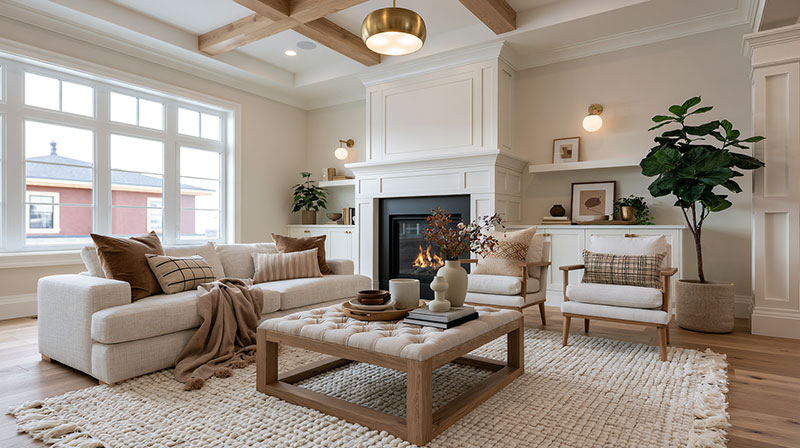
Interior designers use a principle called “visual continuity” — repeating design elements throughout a space to create cohesion. When finishes align across a home, the eye follows the repeated element, and the space feels harmonious, intentional, and professional.
According to the American Society of Interior Designers, coordinated finishes are fundamental to sophisticated design. A space with mismatched metallics feels chaotic; a space with coordinated finishes feels considered. This is why high-end interior design projects specify matching finishes across kitchens, bathrooms, and throughout the home.
WHY BRUSHED BRASS EMERGED AS THE DESIGNER’S CHOICE
Brushed brass has become the go-to finish in contemporary design for good reason. It works across multiple design aesthetics — contemporary, traditional, industrial, minimalist — without looking forced or compromised. This versatility is rare and valuable.
Unlike trendy finishes that work in one style and clash with others, brushed brass complements diverse design palettes. It works with marble and quartz. It works with dark cabinetry and light. It works with natural wood and painted surfaces. This range is what separates timeless finishes from trend-dependent ones.
THE DESIGN IMPACT OF COORDINATION
Coordinating finishes creates psychological impact. Research in environmental psychology shows that spaces with coordinated elements feel more refined, intentional, and expensive than spaces with random mixing. When finishes align, the brain recognizes order and cohesion — and responds positively.
This is why professional design standards emphasize coordination in high-impact spaces like kitchens and bathrooms. These are the spaces that signal a home’s overall design quality.
KITCHEN COORDINATION: ANCHORING THE PRIMARY SPACE
Your kitchen is the design anchor of your home. Everything should flow from this room’s aesthetic.
Coordinate these elements:
- • Kitchen tap (your anchor piece — choose this first)
- • Cabinet hardware throughout
- • Lighting fixtures (pendant lights, ceiling fixtures)
- • Appliance handles
Each element repeats your chosen finish, creating visual rhythm. By the time a visitor moves through your kitchen, they’ve seen the finish repeated 10+ times, and the subconscious message is clear: “This space was designed.”
BATHROOM COORDINATION: THE SPA EFFECT
Bathrooms are intimate, personal spaces where finish coordination has outsized impact. A beautifully coordinated bathroom feels like a personal retreat; a mismatched bathroom feels neglected.
Coordinate:
- • Basin tap and shower fixtures
- • Towel rails
- • Lighting (sconces, ceiling fixtures)
- • Mirror frame
- • Accessories (soap dispensers, shelving brackets)
A coordinated bathroom creates what designers call the “spa effect” — a sense of luxury and intentionality that guests immediately notice. This is disproportionately high-impact for the investment.
THE SECONDARY SPACES THAT DEFINE DESIGN QUALITY
Hallways, powder rooms, and laundry rooms are where design quality either ends or continues. Most homes show inconsistency here — a coordinated kitchen followed by mismatched secondary spaces. This signals that the design was accidental, not intentional.
High-end homes maintain coordination throughout. A powder room in a luxury home has matching fixtures. The hallway has coordinated lighting and hardware. The laundry room, though utilitarian, respects the finish palette. This consistency — from primary to secondary spaces — is the hallmark of intentional, professional design.
COORDINATING WITHOUT MONOTONY
Some designers worry that coordination creates boring sameness. The opposite is true. When one finish is coordinated, other design elements have freedom to vary — colors can shift, materials can change, styles can evolve — without the space feeling chaotic. Coordination in finishes creates the foundation that allows other design choices to breathe.
IMPLEMENTATION FOR DESIGNERS AND HOMEOWNERS
For designers: Specify matching finishes early in the design process. This anchor decision informs everything else — material choices, color palettes, lighting styles.
For homeowners: Choose your anchor finish based on your kitchen. Once selected, extend it to bathrooms, hallways, and secondary spaces. The consistency creates immediate design impact.
When selecting coordinated bathroom finishes, ensure they complement your kitchen’s primary finish. This continuity across rooms is what separates high-end design from amateur attempts at styling.
THE PROFESSIONAL STANDARD
When interior designers specify finishes for high-end projects, they choose coordinated options across the home. This isn’t arbitrary; it’s based on decades of design principles and client feedback. The homes that feel most designed, valuable, and intentional are the ones where finishes are coordinated.
VERSATILITY ACROSS DESIGN STYLES
One reason brushed brass has become universal among designers: it works everywhere. Contemporary minimalism, traditional elegance, industrial edge, modern luxury — brushed brass complements all of them. This range is what makes it a professional standard.
THE TAKEAWAY
Coordinated finishes aren’t a luxury choice — they’re a design fundamental. This single decision elevates how a space feels, how valuable it appears, and how intentional it seems. It’s the difference between a home and a designed space.