
Advertisement
Bathrooms are usually among the smallest rooms in the house, which means every design decision carries a little more weight. There’s less space to hide awkward proportions, mismatched finishes or storage that doesn’t quite work. The upside is that relatively small changes can have a surprisingly strong effect on how polished the room feels.
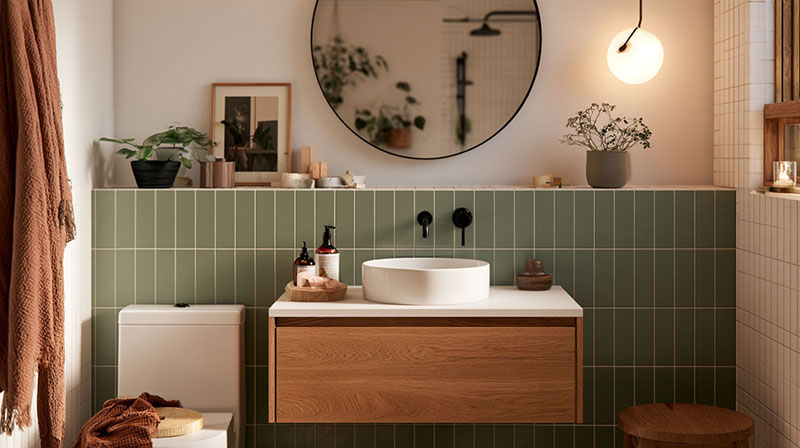
That might mean improving the lighting, choosing tapware that suits the scale of the room or using above counter basins to create a more sculptural focal point around the vanity. You don’t need to redesign the entire bathroom to make it feel more considered. Often, it’s the smaller choices around proportion, materials and everyday usability that pull everything together.
Start With the Vanity
The vanity tends to anchor the bathroom visually, so it makes sense to get this area right first. Think about more than just width. The height of the vanity, basin depth, storage underneath and available bench space all affect how easy it is to use. A beautiful basin can become frustrating if it leaves nowhere to put a toothbrush or soap, while an oversized vanity can make a compact bathroom feel even tighter.
It’s also worth thinking about how the basin and tapware work together. The spout needs enough reach, the basin shouldn’t splash excessively, and the overall proportions should look balanced rather than forced. Good bathroom design is often less about individual products and more about how those products relate to one another.
Use Fewer Finishes, but Use Them Well
Small bathrooms can quickly become visually busy when too many materials compete for attention. That doesn’t mean everything has to match. In fact, a mix of finishes can create depth and personality. The trick is to keep the palette controlled. A warm tile, timber-look vanity and brushed metal tapware can work beautifully together because each element has room to register without fighting with several other textures.
If you’re using a stronger feature tile, consider letting the remaining surfaces stay quieter. Likewise, if the vanity has a distinctive stone top or bold basin, you may not need another statement on every wall. Restraint can make a bathroom feel more expensive even when the individual materials aren’t especially extravagant.
Lighting Deserves More Attention
Bathrooms often rely too heavily on one bright ceiling light. It may be practical, but it rarely creates the most flattering or comfortable environment. Layered lighting works better. General overhead light handles everyday use, while lighting near the mirror can make grooming easier and reduce harsh shadows. Softer ambient lighting can also make the room feel more relaxed, especially in a bathroom used in the evening.
Natural light is valuable too, but privacy needs to be considered carefully. Frosted glazing, skylights or well-positioned windows can bring in daylight without making the room feel exposed. The aim isn’t dramatic mood lighting; it’s simply to make the room feel pleasant as well as functional.
Pay Attention to Scale
One of the easiest ways to make a small bathroom feel awkward is to choose fittings that are too large for the room. Oversized mirrors, bulky vanities and enormous freestanding baths can all look impressive in a showroom but overwhelm a compact layout. The opposite can happen too, with fittings that are so small they make the room feel under-furnished or impractical.
Scale is especially important around clearances. You need enough room to open drawers, move around the toilet and step into the shower comfortably. A few extra centimetres can make a noticeable difference to how usable the space feels every day, so before committing to large fixtures, mark out their dimensions on the floor or wall. It’s much easier to rethink the proportions at that stage than after installation.
Storage Should Be Built Around Real Habits
Bathroom storage often looks tidy in plans and becomes chaotic once people start using it. Think about what actually needs to live in the room. Daily toiletries should be easy to reach, while less frequently used items can sit higher or deeper in storage. Drawers are often easier to organise than very deep cupboards because everything stays visible instead of disappearing behind the front row.
Recessed shower shelves can also help reduce clutter, provided they’re positioned sensibly. The same goes for towel rails, hooks and toilet-roll holders. These items seem minor during the design phase, but poor placement becomes irritating very quickly. A bathroom feels more polished when everyday items have an obvious place to go.
Keep Cleaning in Mind
Some of the most beautiful bathroom finishes can become frustrating if they’re difficult to maintain. Highly textured tiles, intricate grout patterns and fittings with lots of awkward edges may require more cleaning than expected. That doesn’t mean avoiding them completely, but it helps to be realistic about how much maintenance you’re willing to do.
Larger tiles can reduce grout lines, wall-mounted vanities make the floor easier to clean and simple tapware shapes are generally easier to wipe down. Choosing finishes that age well can also help the bathroom stay looking fresh for longer. A design that still feels good after several years of normal use is usually more successful than one that looks perfect only on installation day.
Give the Room One Strong Idea
Small bathrooms often benefit from having one clear focal point rather than several competing ones. That might be a distinctive basin, a beautiful vanity, an unusual tile or a particularly well-framed mirror. Once you’ve chosen that feature, the rest of the room can support it rather than trying to compete.
This approach makes decision-making easier too. Instead of asking whether every individual element is interesting enough, you can ask whether it contributes to the overall look. That tends to create a calmer, more coherent result and helps prevent the space from feeling overdesigned.
The Best Bathrooms Feel Easy to Use
A well-designed bathroom doesn’t need to shout for attention. It should feel balanced, practical and comfortable from the moment you walk in. That usually comes down to proportion, lighting, storage and a restrained approach to finishes rather than relying on one dramatic renovation trend.
When every element earns its place and works with the rest of the room, even a compact bathroom can feel thoughtful and refined. The best result is a space that looks considered without feeling precious and works just as well on a rushed weekday morning as it does when you’ve actually got time to enjoy it.